
Vegetation and climate change
A delicate balance in transformation
Earth’s climate has always undergone changes; however, today we are experiencing a very rapid warming. This warming is driven by the increasing concentration of greenhouse gases in the atmosphere and is therefore caused by human activity. Mountain regions are among the most affected. Here, the rise in temperature is even stronger than in the valleys, forcing many plants to migrate higher up in search of suitable habitats.
1
Microclimates within metres
Environmental conditions can change with increasing altitude, even when moving only a few meters. Microclimates shift within just a few metres: south-facing slopes are dry and sun-baked, while hollows can remain snow-covered for most of the year. Wind and terrain shape these differences, creating constant challenges for alpine plants.
A fragile but ingenious world
Each species tells a story of resistance and evolution. Alpine vegetation is a fragile yet remarkably inventive natural heritage, offering us a clear signal of how rapidly the climate is changing.
Remarkable adaptations
To cope with this dynamic environment, alpine flora has developed extraordinary strategies:
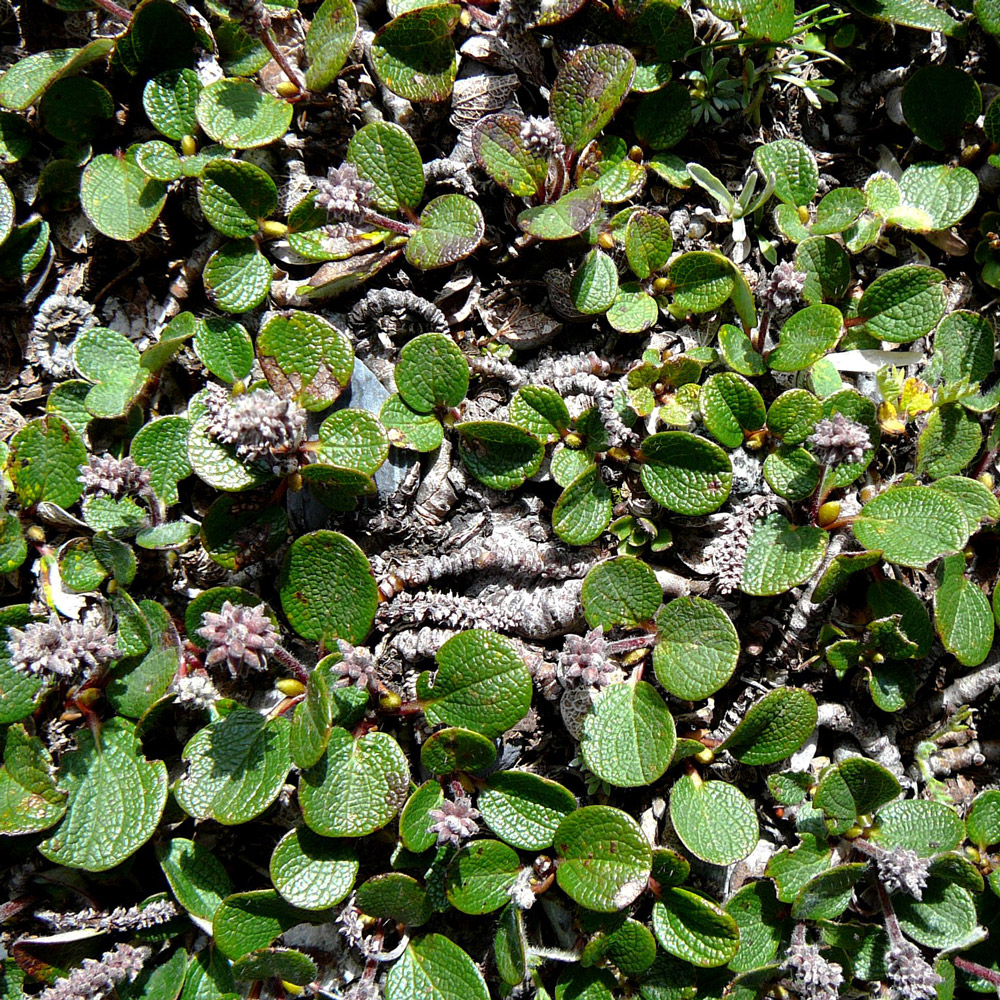
Dwarf willows (Salix reticulata, S. retusa, S. serpillifolia) creep along the ground, stabilising the soil and preventing erosion.
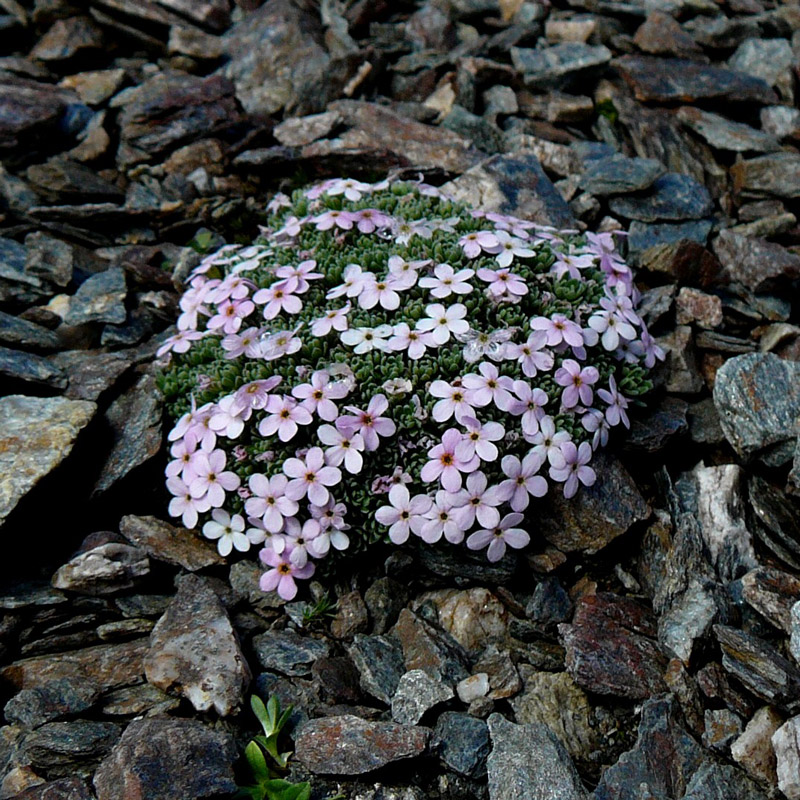
Alpine rockcress (Androsace alpina) blooms at altitudes up to 4,200 m – one of the highest flowering plants in Europe.
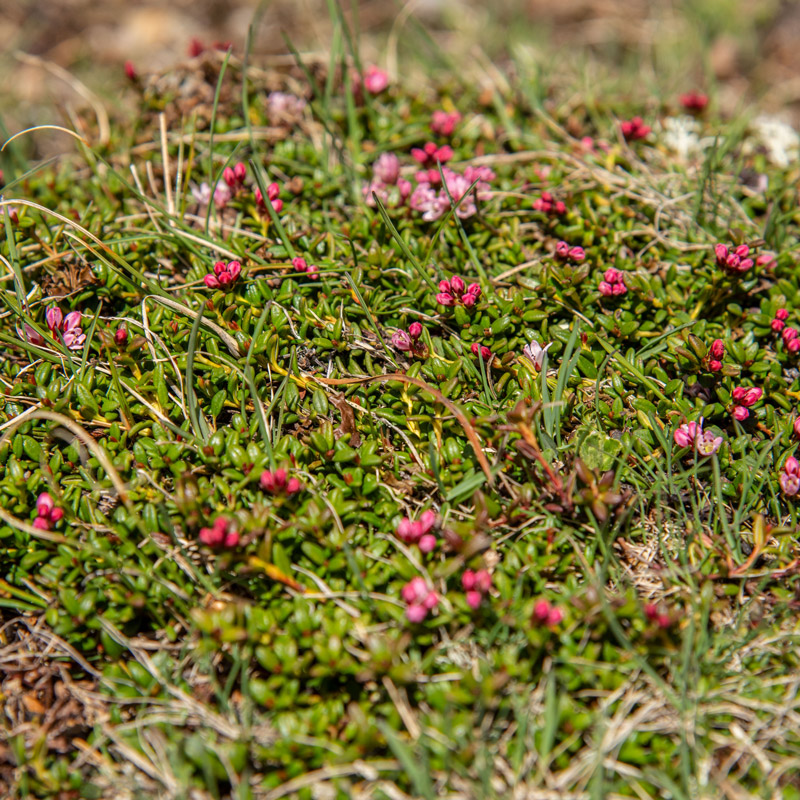
Alpine heather (Loiseleuria procumbens)withstands wind and drought with deep roots, forming compact cushions.
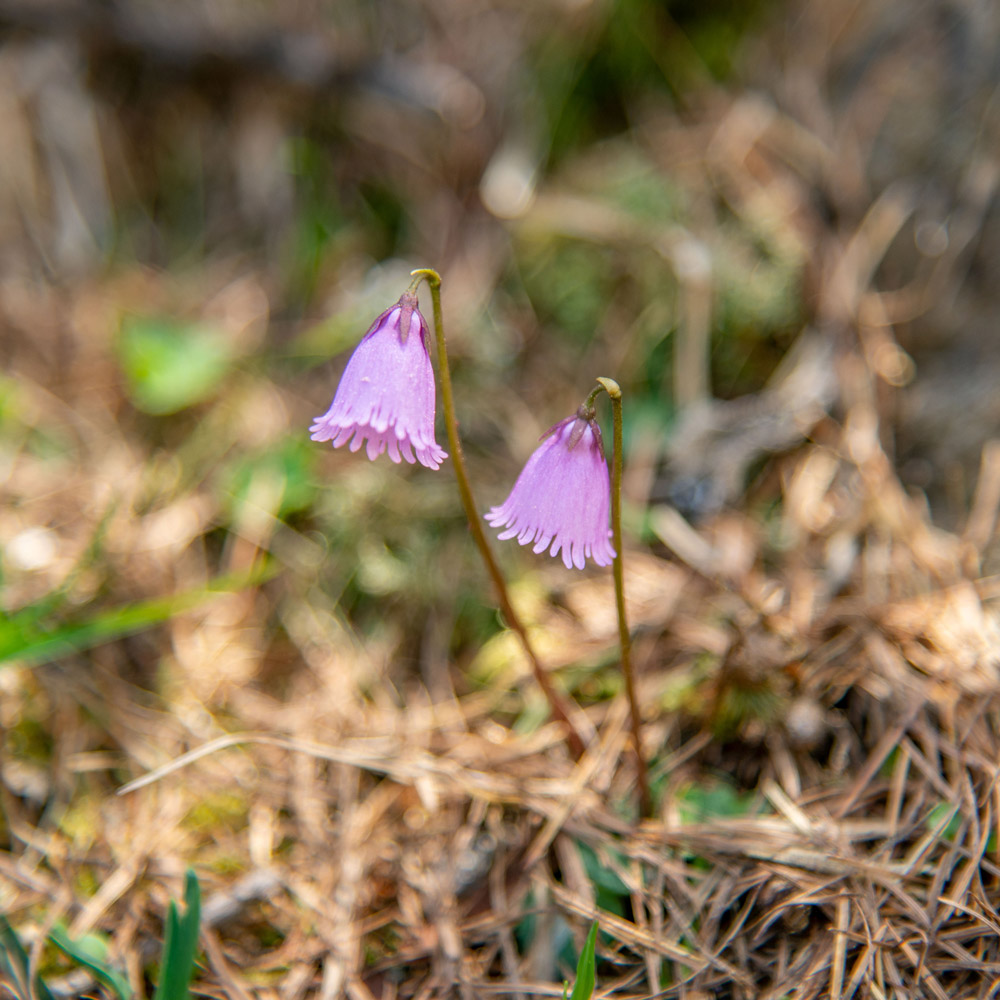
Alpine snowbell (Soldanella alpina) grows beneath the snow and must complete its life cycle in just a few weeks.
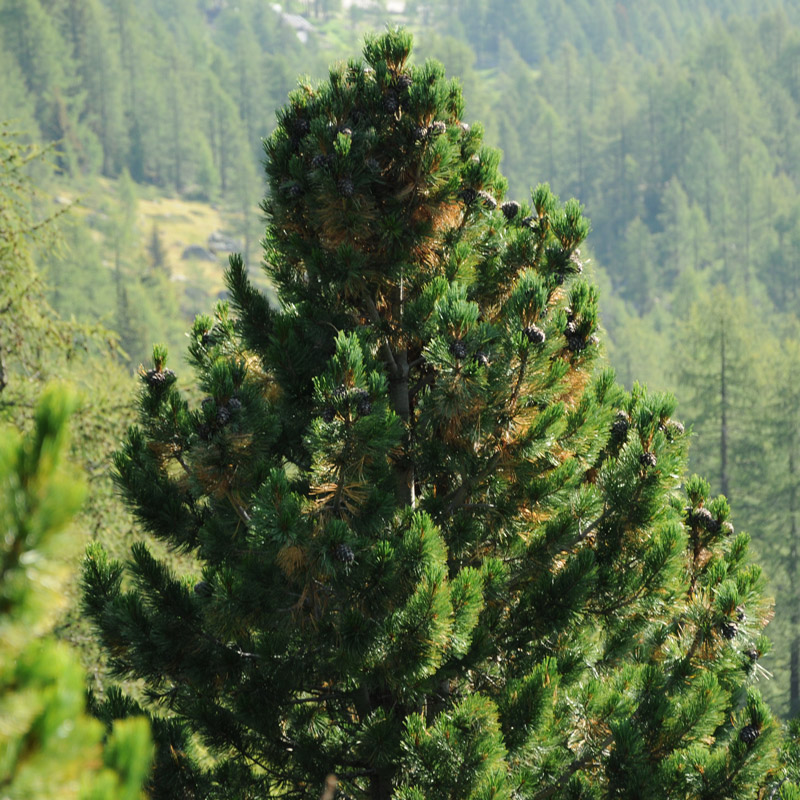
Swiss stone pine (Pinus cembra) and European larch (Larix decidua)mark the upper tree line: the pine is evergreen and frost-resistant, while the larch protects itself by shedding its needles in winter.
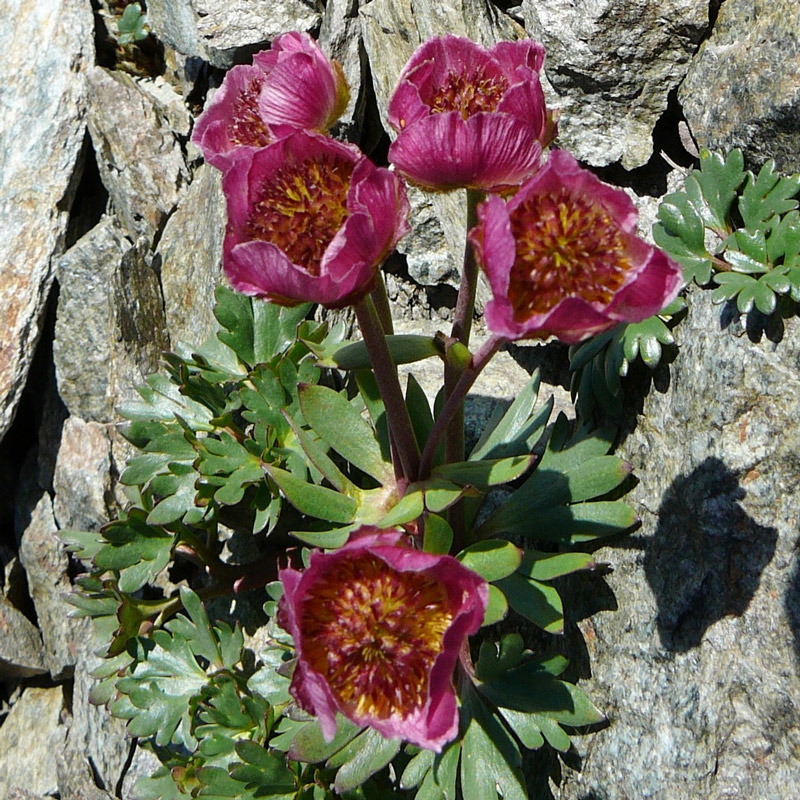
Glacier buttercup (Ranunculus glacialis)survives even with ice forming in its petals, thanks to glycol – a natural “antifreeze.”