Traces from Prehistory
When glaciers retreated and humans returned
Europe was shaped by four major glaciations: Günz, Mindel, Riß, and Würm. The last one, between 115,000 and 10,000 years ago, left its decisive mark on the Alps, creating much of the landscape we recognize today.
7
As the glaciers began to retreat around 20,000 years ago, humans returned to these areas. Near Lake Lang (Lago Lungo), archaeologists discovered an open-air camp once used in summer by hunter-gatherers of the Late Paleolithic (14,000–10,000 BC) and Mesolithic (10,000–5,500 BC). Flint tools and knapping fragments provide clear evidence of their presence.
Rising temperatures and a higher tree line pushed humans – and the game they hunted – to increasingly higher altitudes.
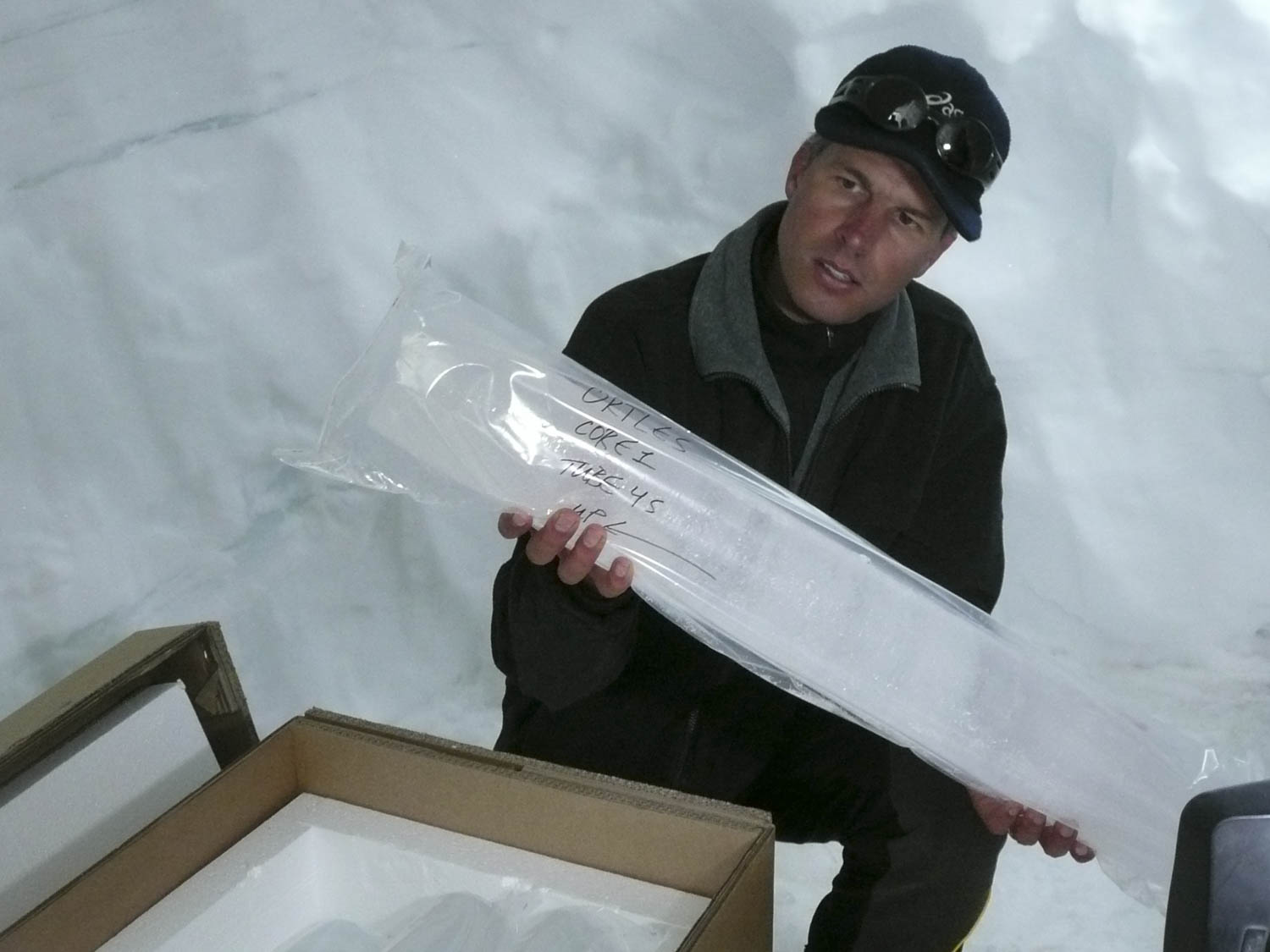
Modern paleoclimatology adds another layer to this story: in 2011, ice cores drilled on the Ortler summit plateau (3850 m) revealed that by around 5000 BC even South Tyrol’s highest peak was ice-free. A striking confirmation of rapid deglaciation and the climatic optimum that made the mid- and high-mountain zones habitable once again.
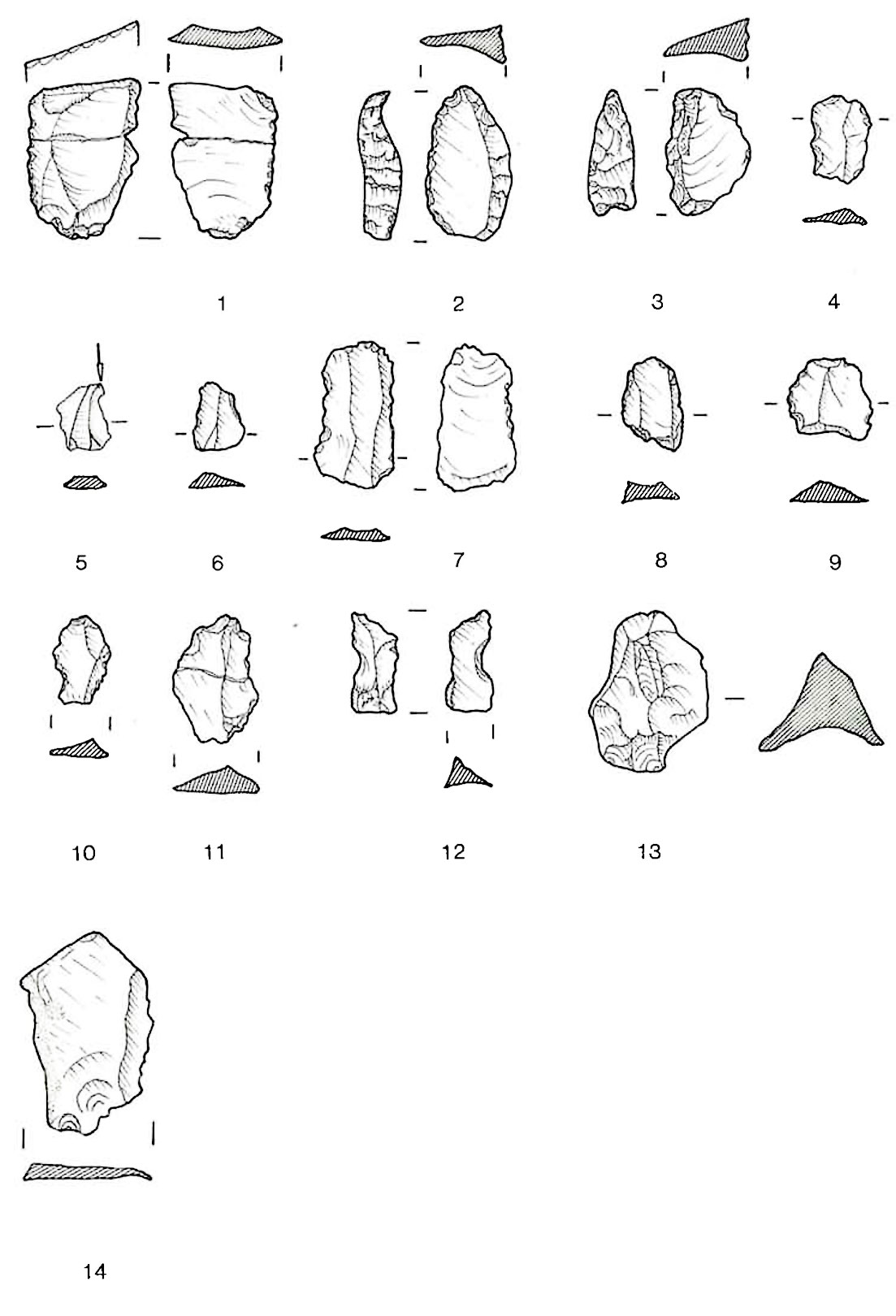
Paul Glerischer/Matthias Innerhofer/Helmut Moser/Alfred Obex, Neue Fundplätze und Funde der Steinzeit aus Südtirol: Der Schlern 65/10 (1991), 519-529, hier 519-524.
Ortles Ice Core Project
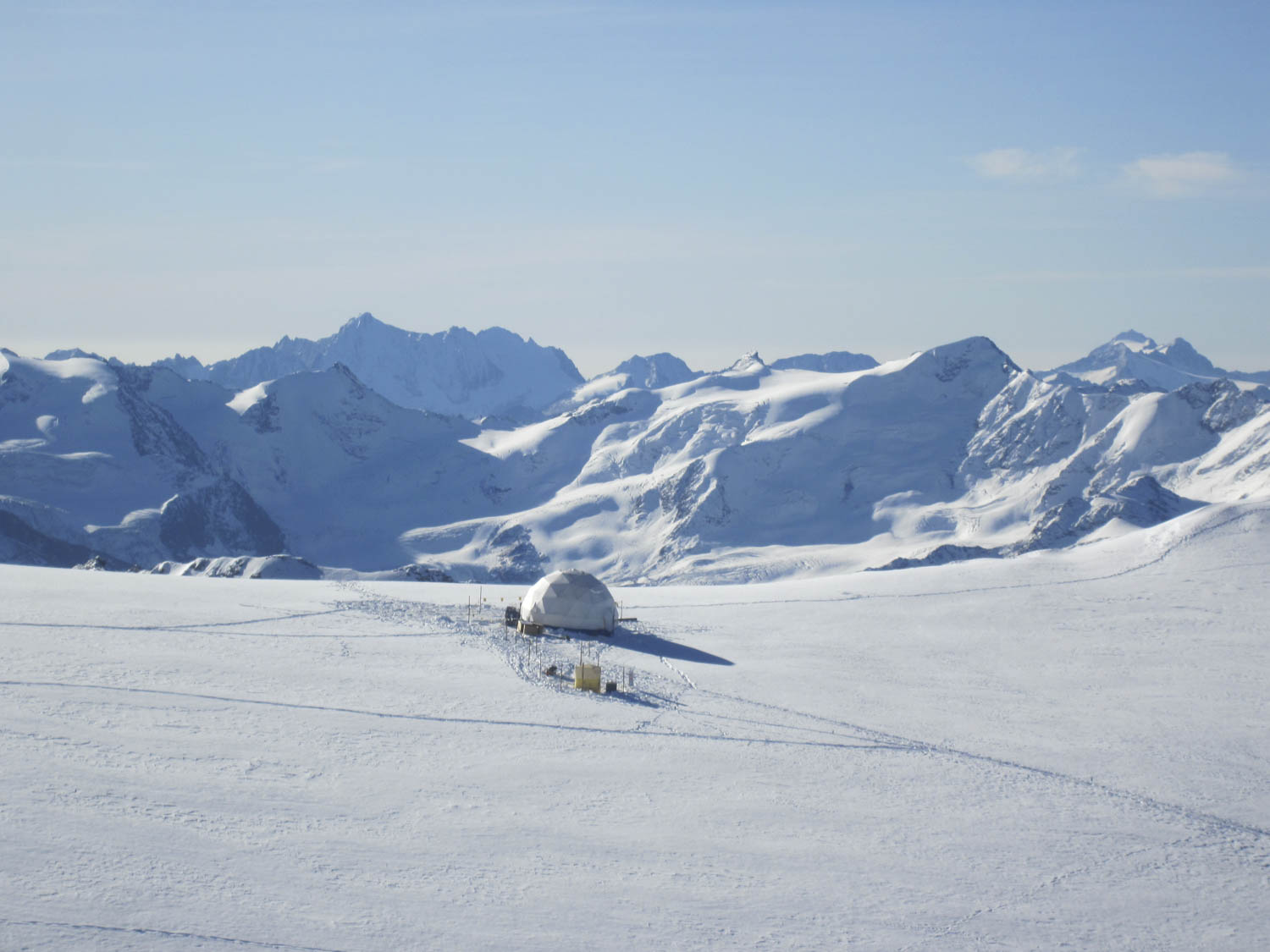
Drilling dome

Heli-transport
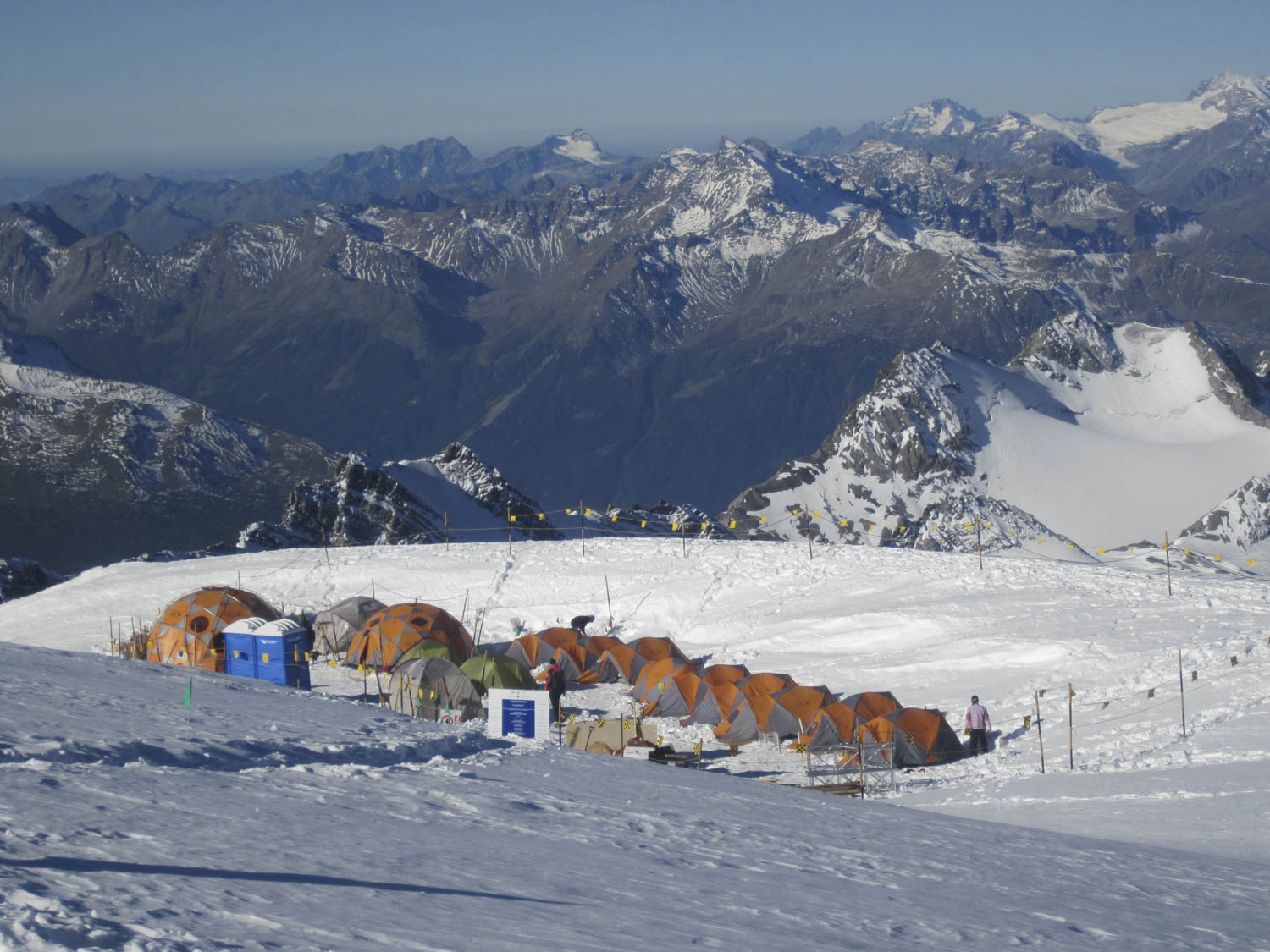
Base camp
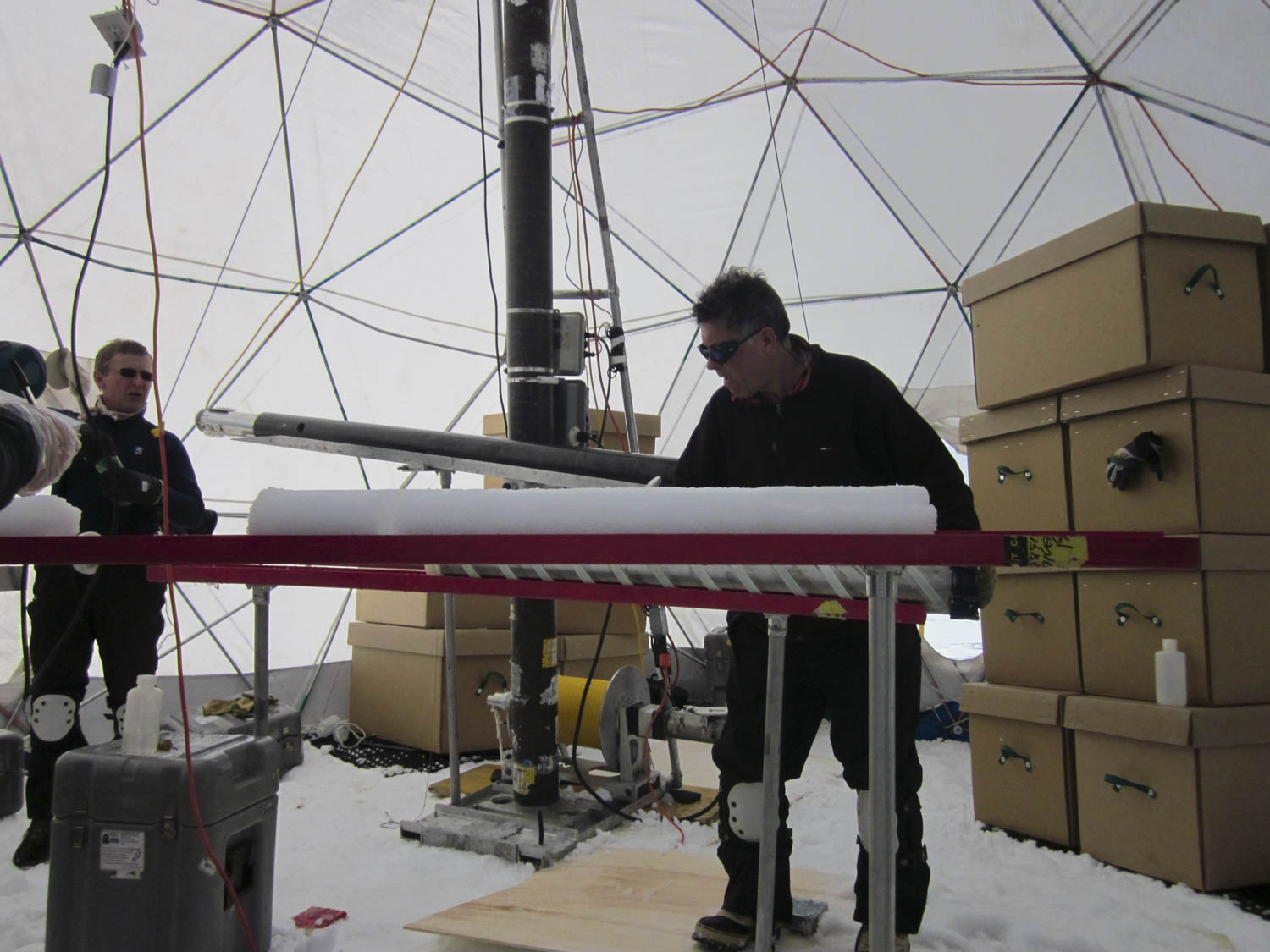
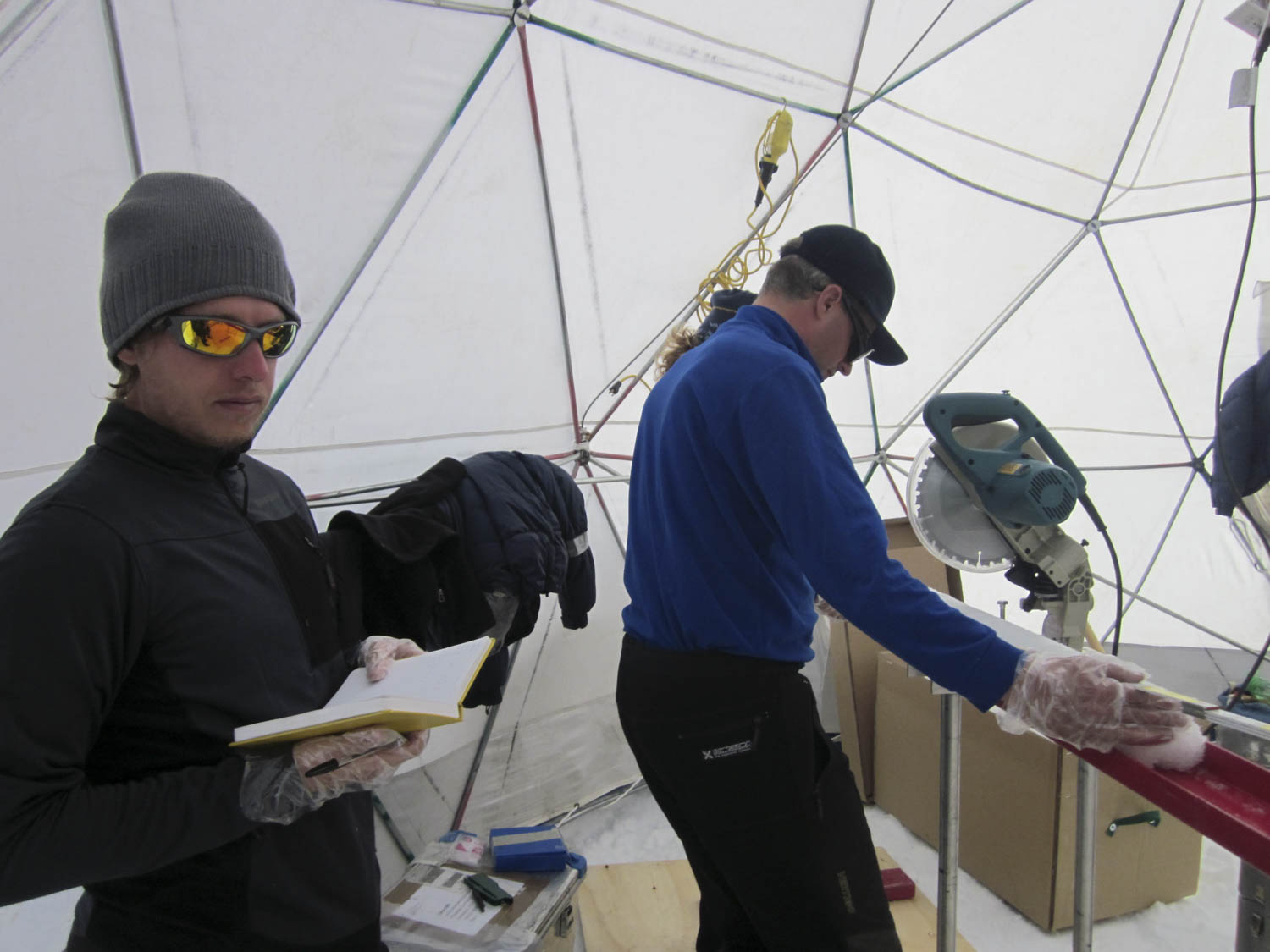
Coring operations