A low peat bog among the springs
A fragile world of water and plants
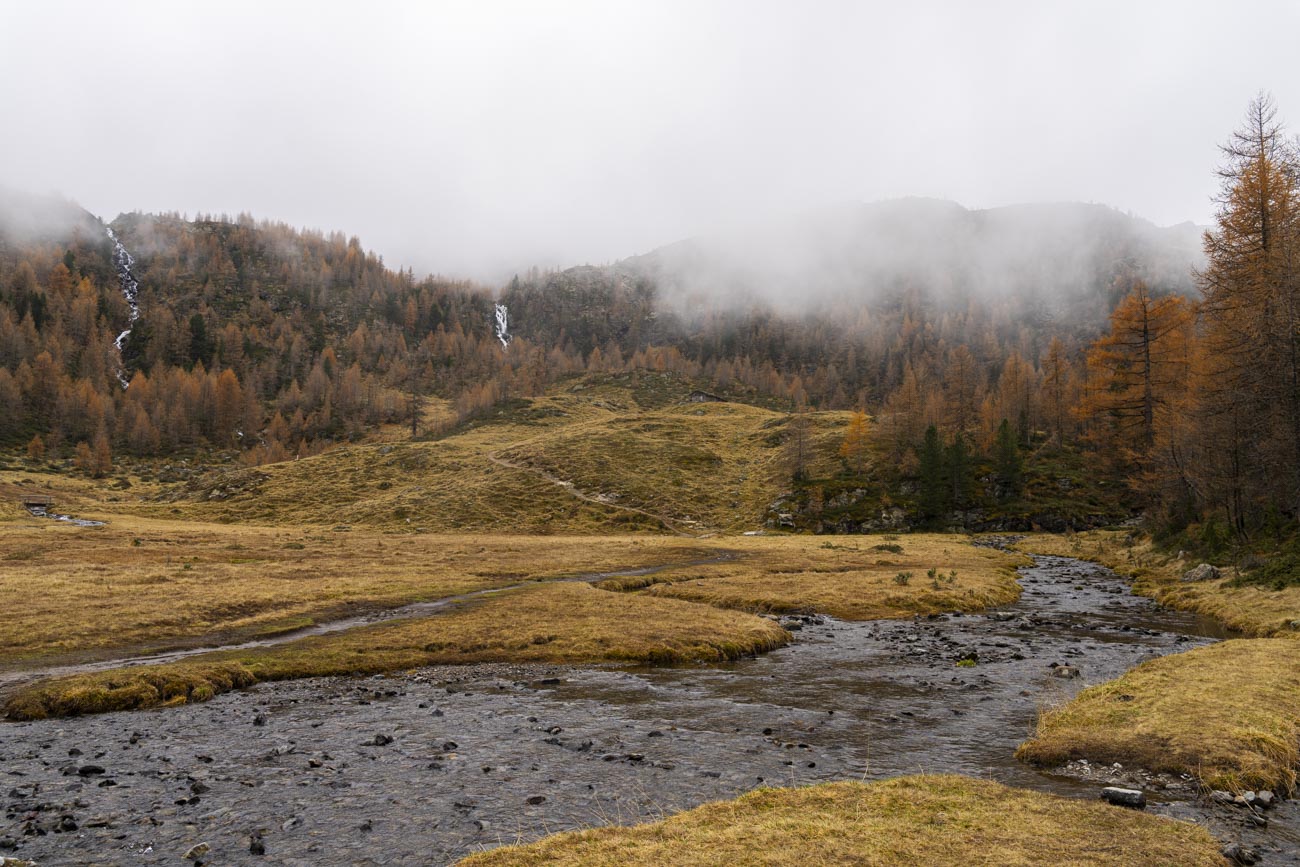
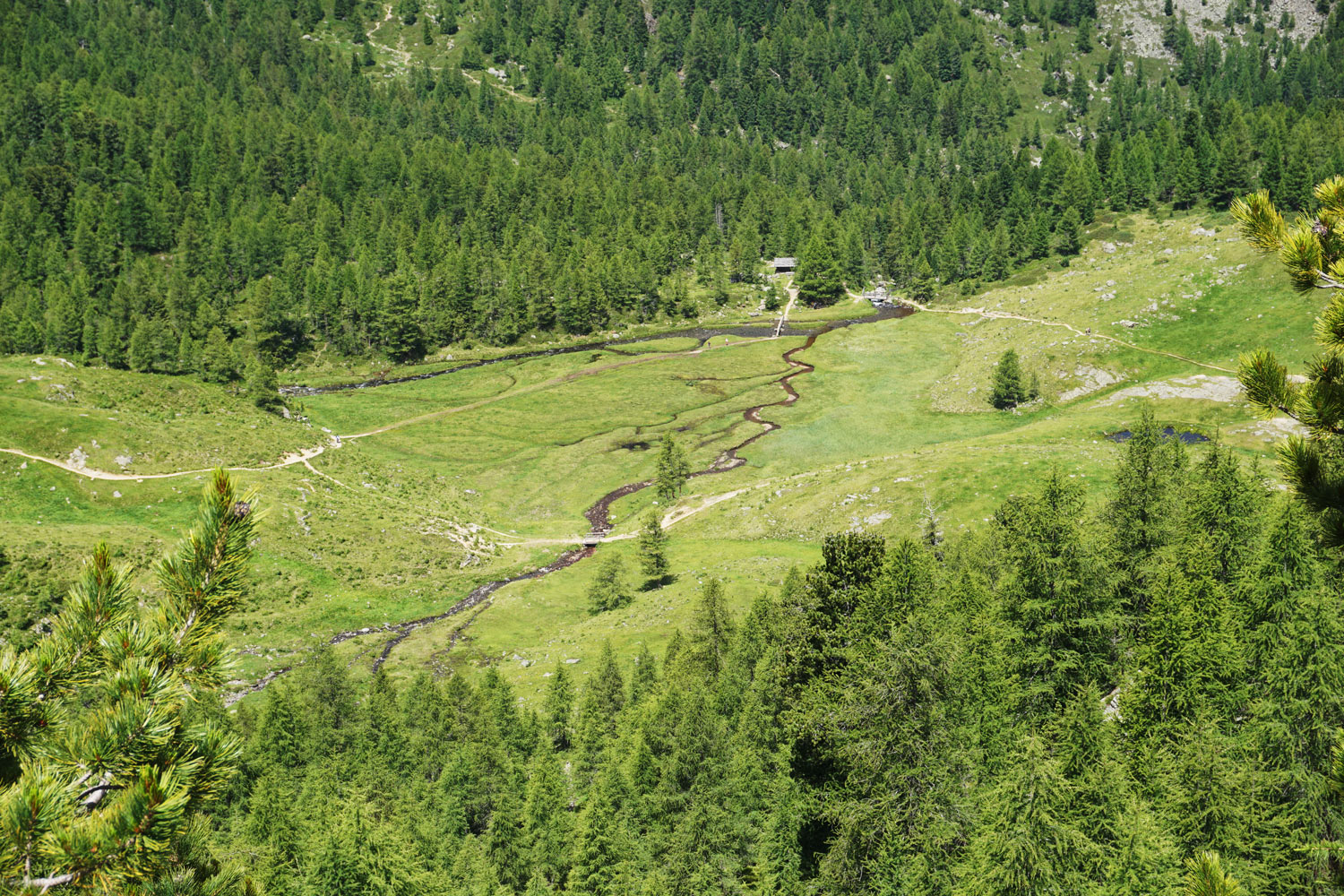
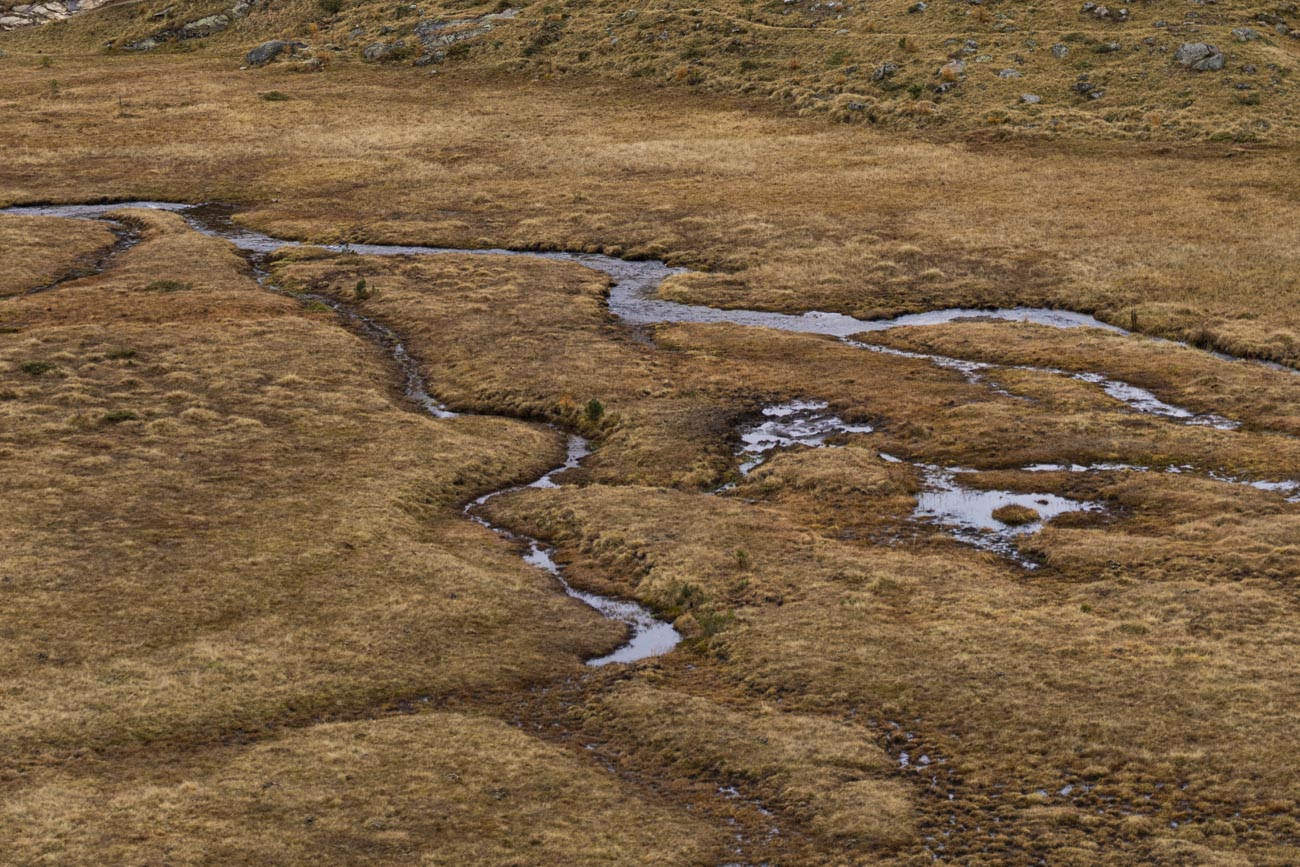
Near the Fontana Bianca Alpine pasture, groundwater seeps to the surface, creating a special habitat: a fen (low moor). In this constantly wet environment, dead plants decompose very slowly due to the lack of oxygen, gradually forming peat – a dark, spongy soil layer that stores centuries of plant life. In some spots, the peat layer reaches 1.5 metres in depth.
9
Alongside its extraordinary flora, the lowland peat bog performs vital ecological functions: it stores carbon, thereby reducing atmospheric CO2. Additionally, it absorbs rainwater like a sponge, helping to mitigate surface runoff from precipitation. A quiet natural wonder—small, unassuming, yet indispensable for the climate and biodiversity.
Unlike raised bogs, which are fed only by rain, this fen is nourished by mineral-rich spring water. This makes it a refuge for rare and specialised plant species, such as:
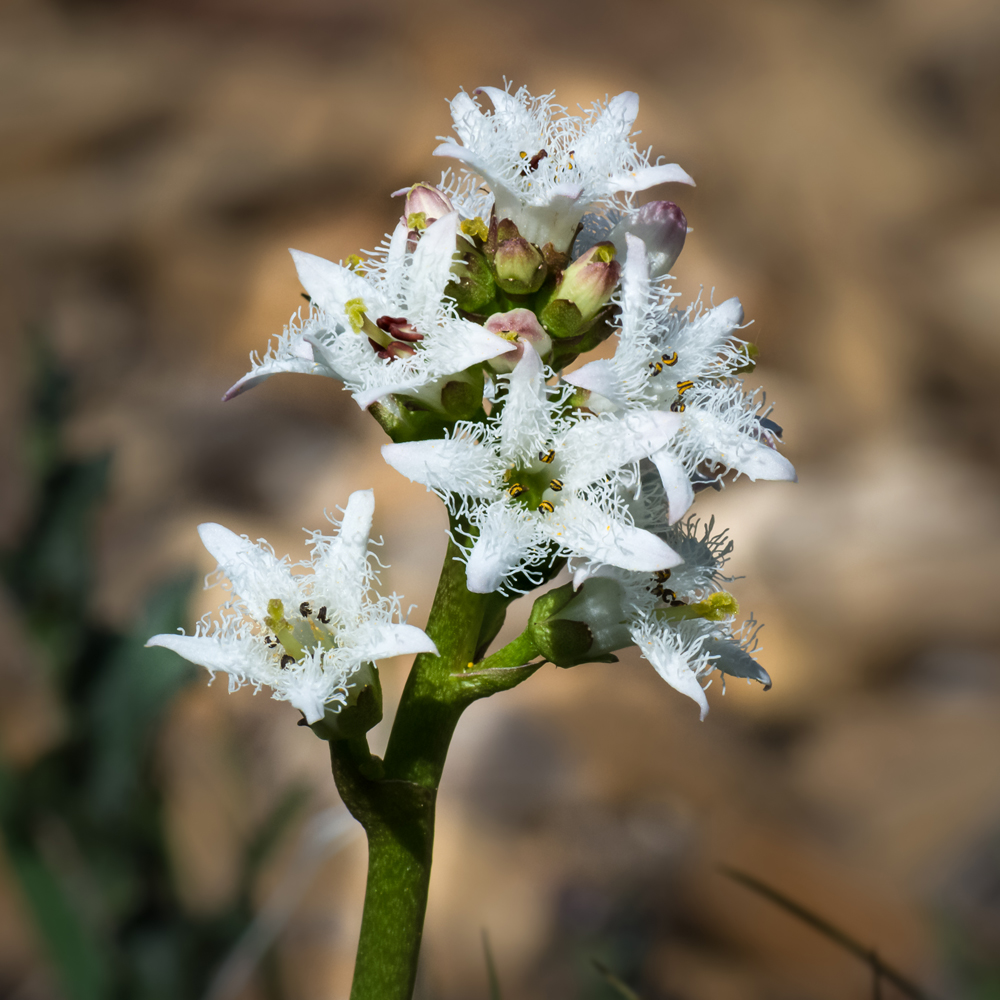
bogbean (Menyanthes trifoliata), with its delicate star-shaped white or pink flowers;
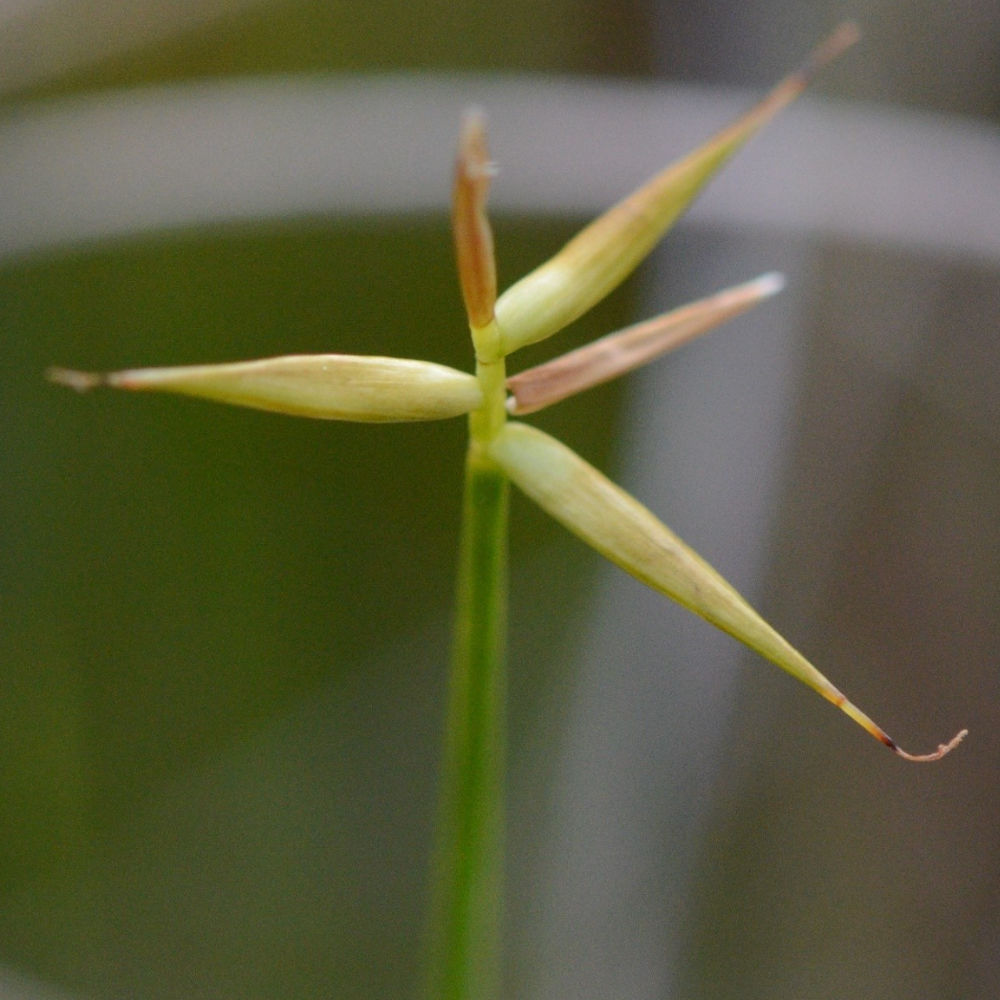
few-flowered sedge (Carex pauciflora), a rare species of the alpine wetlands;
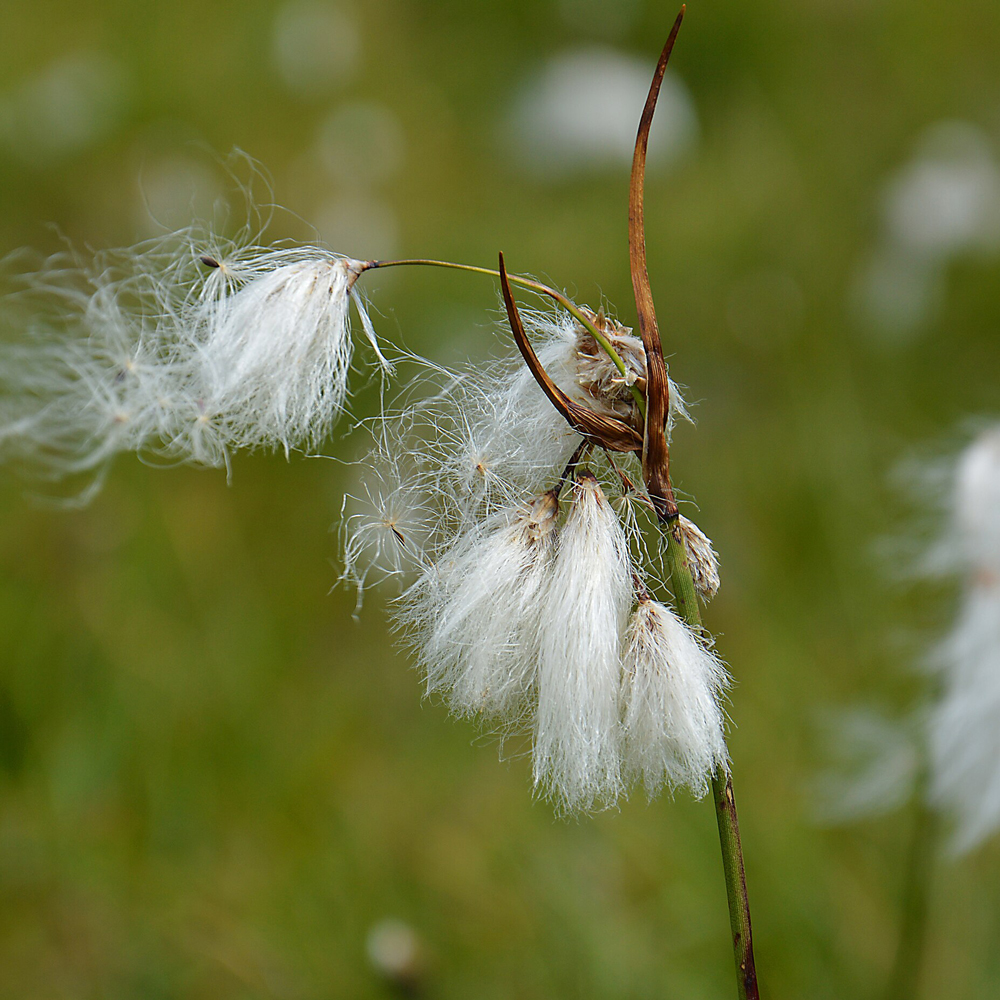
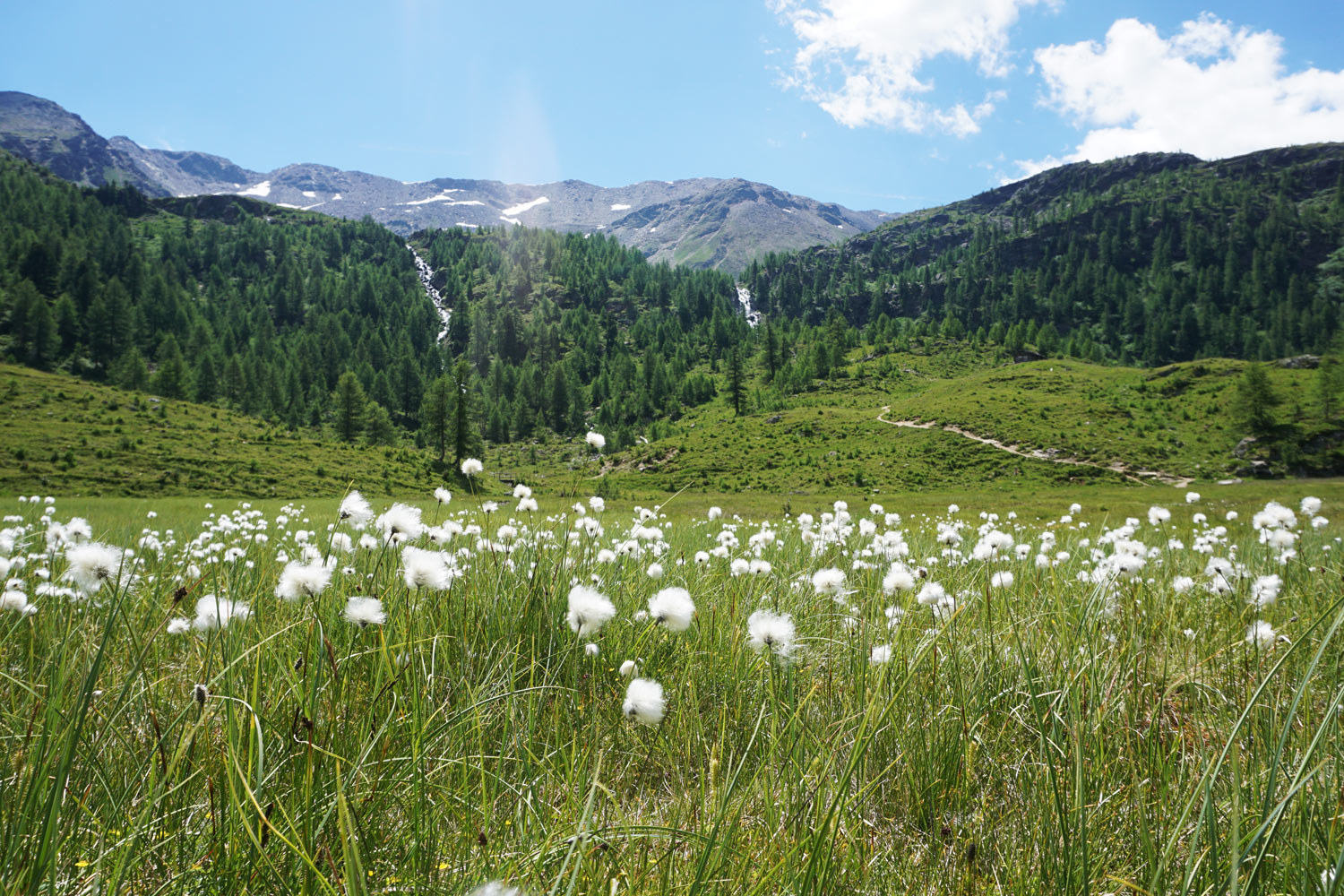
common cottongrass (Eriophorum angustifolium), with its iconic cotton-like tufts dispersing seeds on the wind;
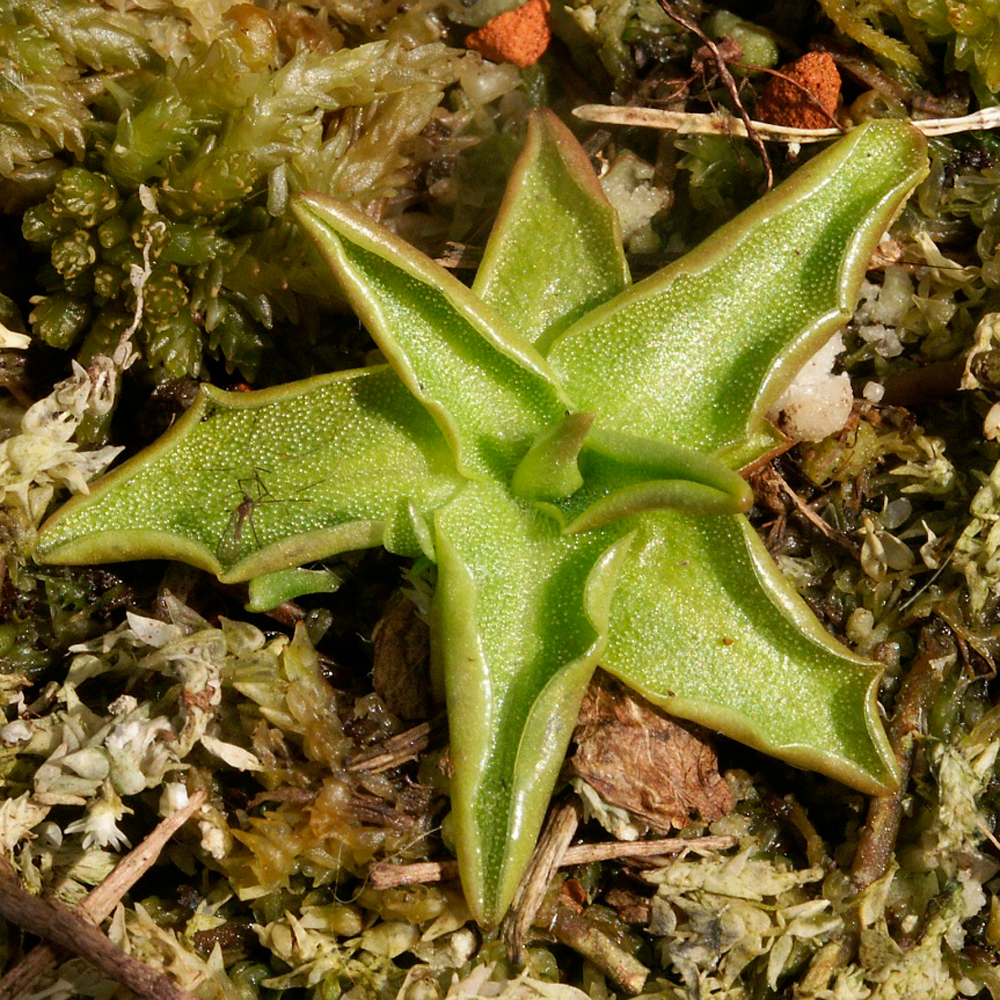
common butterwort (Pinguicula vulgaris), a carnivorous plant that traps insects with sticky leaves to compensate for nutrient-poor soils.
Inventory of peat bogs and wetlands of South Tyrol. Biological Laboratory, Autonomous Province of Bolzano (1991).